The idea that cellulite only affects certain skin tones or ethnic backgrounds is one of those deeply persistent myths that leaves people feeling confused or, worse, quietly ashamed for no good biological reason. Cellulite shows up across every body type and ethnicity without exception. It is not something unique to lighter skin, and it is not tied to Western beauty standards or any one cultural group. The details of how it looks or how noticeable it seems can shift depending on a mix of genetic, structural, and cultural factors, but the underlying mechanism is the same everywhere.
Rather than repeating the same old misconceptions, this article gets specific about what actually changes with cellulite across different ethnicities and cellulite skin tone variations, and where most people are simply being misled. That means getting into visibility, real structural differences, and the outside influences that shape what you see on your own skin. Expect practical information, no sales hype, and a clearer picture of what is genuinely going on.
Does Cellulite Affect All Ethnicities?
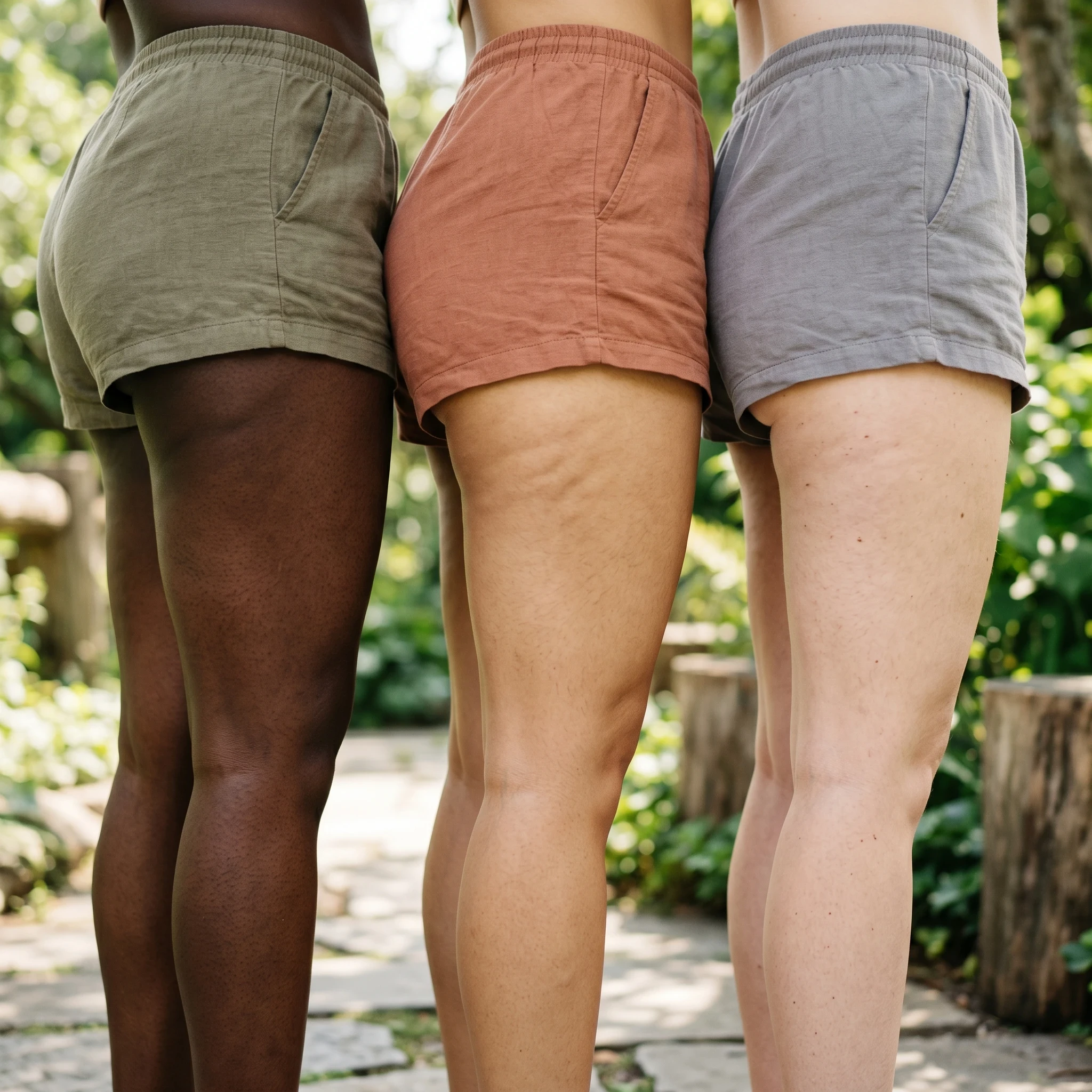
No matter where you are from or what your background is, cellulite is right there with you. You will find it on people in every country, across all shades of skin, and at every body size. It is not tied to race, nationality, or any specific group, and there is no ethnicity that is fully immune, regardless of what you may have heard.
The actual cause of cellulite is the same for everyone: the way fat is stored under the skin and how it interacts with the connective tissue, specifically collagen fibers, that tether the skin to your deeper muscles. This interplay between fat and fibrous tissue creates the characteristic dips and bumps, and it does not care about what you look like or where you are from.
Having strong muscles, a lean physique, or a lower body weight does not mean you will avoid cellulite either. While body fat percentage and skin texture both influence how it looks, ethnic background is not a protective factor on its own. Even the fittest and leanest individuals can have some visible cellulite, because genetics and the structure of connective tissue play a much bigger role than fat content alone. People who have never struggled with their weight can still notice dimpling, and diet or exercise alone will not necessarily remove it entirely. Recognizing that cellulite is a universal occurrence helps break down the stigma around it and makes space for a more realistic kind of self-acceptance.
Why Cellulite Looks Different on Different Skin Tones
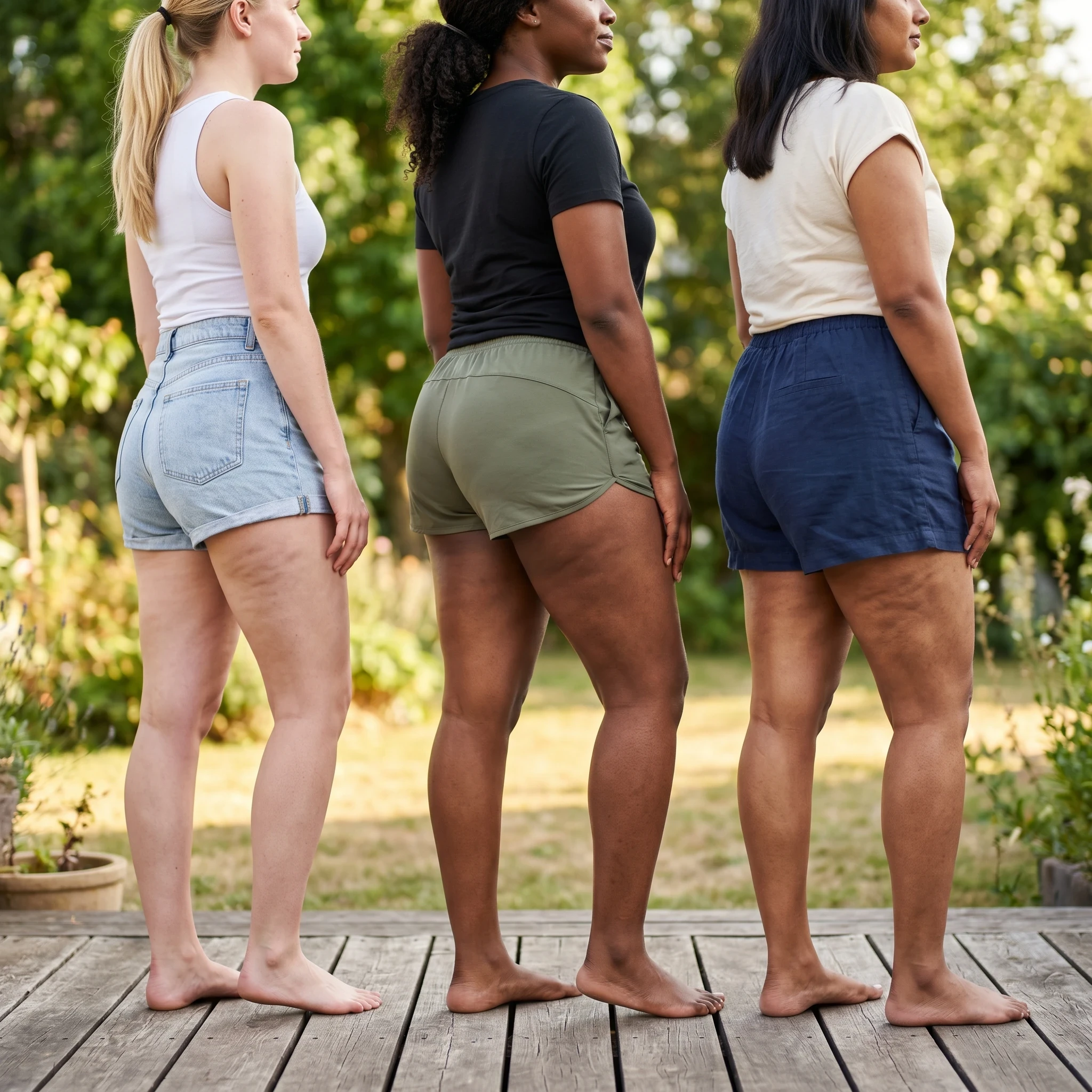
The main reason cellulite seems to disappear on some people or looks more visible on others comes down to something that sounds simple but genuinely matters: contrast and lighting. Lighter skin tends to reflect more light, which makes shadows and dimples stand out more, especially in direct sunlight or under harsh overhead lighting. With darker skin tones, those same dips and bumps often blend in under typical conditions, simply because of how light interacts differently with deeper pigment.
This does not mean darker skin has less cellulite or that lighter skin always has more. In almost every case, what you are seeing is the impact of light and shadow, not a real difference in cellulite severity. Plenty of people with dark skin have deeply set cellulite that barely registers day to day, while people with lighter skin can have mild dimpling that looks dramatic in the mirror thanks to direct sunlight or bad overhead lighting. When thinking about cellulite and skin tone, it is important to separate what is actually there from what the eye happens to catch.
It is also worth acknowledging that makeup, camera filters, and editing tools shape what we see online, making cellulite seem more or less pronounced based purely on how images are presented. Social media consistently glorifies flawless skin, but what gets captured in photos rarely reflects real-life skin texture. That constant visual comparison can seriously warp people’s sense of who actually has cellulite and what it is supposed to look like, regardless of skin tone.
Structural Differences in Skin and Fat Distribution
Here is where genetics, ethnicity, and biology genuinely intersect. There are some meaningful tendencies in how skin layers and fat get distributed across different backgrounds, but it is important to keep one thing in mind: individuals within any group can fall well outside the averages, and variation within groups tends to be far greater than the average differences between them.
Dermis Thickness: A Subtle Difference
The dermis is the middle layer of the skin. Some studies suggest that, on average, people with darker skin tones may have a slightly thicker dermis compared to those with lighter skin. In practice, this can mean a bit more structural support for the fat beneath, which may soften the look of dimpling somewhat. But thicker does not automatically mean firmer or tighter, and it certainly does not prevent cellulite from forming in the first place.
Even with these small anatomical differences, lifestyle and environmental factors often outweigh them when it comes to how cellulite actually looks. Hydration levels, sun exposure, and skincare habits all influence how firm and elastic the skin feels, which in turn affects how visible cellulite appears. Structural tendencies offer context, but they are far from the whole story.
Collagen and Elasticity
There is also some variation in collagen density and skin elasticity across population groups. Research suggests that certain genetic backgrounds may be associated with denser or more organized collagen fiber networks, which can change the way fat presses against the skin’s surface. As with dermis thickness, this influences how pronounced cellulite looks rather than whether it develops at all.
More elastic skin bounces back more easily after movement or compression, which can make cellulite look less defined following activity. Skin with reduced elasticity, often from aging or accumulated sun damage, tends to make cellulite look more prominent regardless of background. Prioritizing overall skin health through consistent moisturizing and sun protection can give a meaningful boost to elasticity and may subtly improve the skin’s appearance over time.
Fat Distribution Patterns
This is one of the trends that gets discussed frequently in the context of cellulite ethnicity differences: fat distribution tendencies vary across genetic backgrounds. In some groups, fat tends to accumulate more around the hips, glutes, and thighs. In others, distribution is more even across the body. Where your body stores fat has a real influence on where cellulite shows up and how visible it tends to be in those areas.
That distribution is shaped by a mix of genetics, hormones, and lifestyle rather than any single inherited factor. Looking at any group, you will find plenty of internal variation alongside the general trends, which is why broad generalizations rarely hold up for any individual. Hormones also play a significant role in fat distribution, with puberty, pregnancy, and menopause each capable of shifting where and how fat accumulates. These hormonal transitions affect everyone, and their impact on cellulite appearance goes well beyond ethnicity or skin tone. Genetics might set the stage, but hormonal cycles and daily habits do a lot of the ongoing work.
Cultural and Genetic Factors That Influence Appearance
Genetics are genuinely influential in how cellulite develops and how it looks, but they do not work in isolation. Estrogen in particular shapes how and where fat is stored, and hormonal tendencies can run in families and sometimes track with ancestry. Even so, finding a family line completely free of cellulite is about as rare as finding one where no one has ever experienced it at all. These are exceptions, not rules.
Culture plays a role too, but not in the way people typically assume. Different regions, dietary traditions, and lifestyle habits shape how people move, what they eat, and how they care for their skin, all of which feed into body composition and overall skin health. Foods, climate, and typical activity levels shape appearance far more than any single genetic factor in isolation. The old claim that cellulite is primarily a Western or European phenomenon does not hold up anywhere except in biased historical marketing or heavily edited beauty advertising.
Increasing global overlap in diet, sedentary habits, and beauty routines also means that any neat cultural separation is becoming harder to sustain. Cellulite exists in every gym, on every beach, and in every corner of the world, even if it is partially hidden by how it shows up on different skin. Modern media has further complicated the picture by shifting how cellulite is perceived across decades and cultures. In some parts of the world it is barely noticed or discussed. In others it is scrutinized endlessly. Those are social lenses layered on top of a biological reality, not reflections of any underlying difference in who actually gets it.
Why Some Groups Are Underrepresented in Cellulite Research
If you spend time reading through the medical and scientific literature on cellulite, it becomes obvious fairly quickly that most clinical attention historically focused on lighter skin, particularly European backgrounds. This is partly a product of where the global beauty industry developed and partly a limitation of the imaging and measurement technologies used to study skin conditions.
Most early studies used lighting and imaging setups that made textural changes easier to detect on lighter skin tones. That created a feedback loop: the evidence base was built around a narrow population, the beauty and medical industries developed their products and protocols around that evidence, and people with darker skin were left with limited data on how cellulite behaves or responds to treatment in their specific context. As more researchers and practitioners have begun working across a wider range of skin tones, the information is improving, but the existing literature is still uneven. A lot of what gets repeated as common knowledge about cellulite and ethnicity comes from older, less representative studies or from filtered marketing materials. Any headline or before-and-after image that only reflects one type of skin is worth approaching with healthy skepticism.
This lack of diversity in research has a real practical consequence: it makes it harder for professionals to give their best possible advice or treatment recommendations for people across all backgrounds. Asking informed questions, seeking out reviews and experiences from people who share your skin tone, and choosing practitioners with a demonstrated track record in treating a range of skin types can all help compensate for the gaps that formal research has not yet fully closed.
Cellulite in Athletes and Different Body Types (Across Ethnicities)
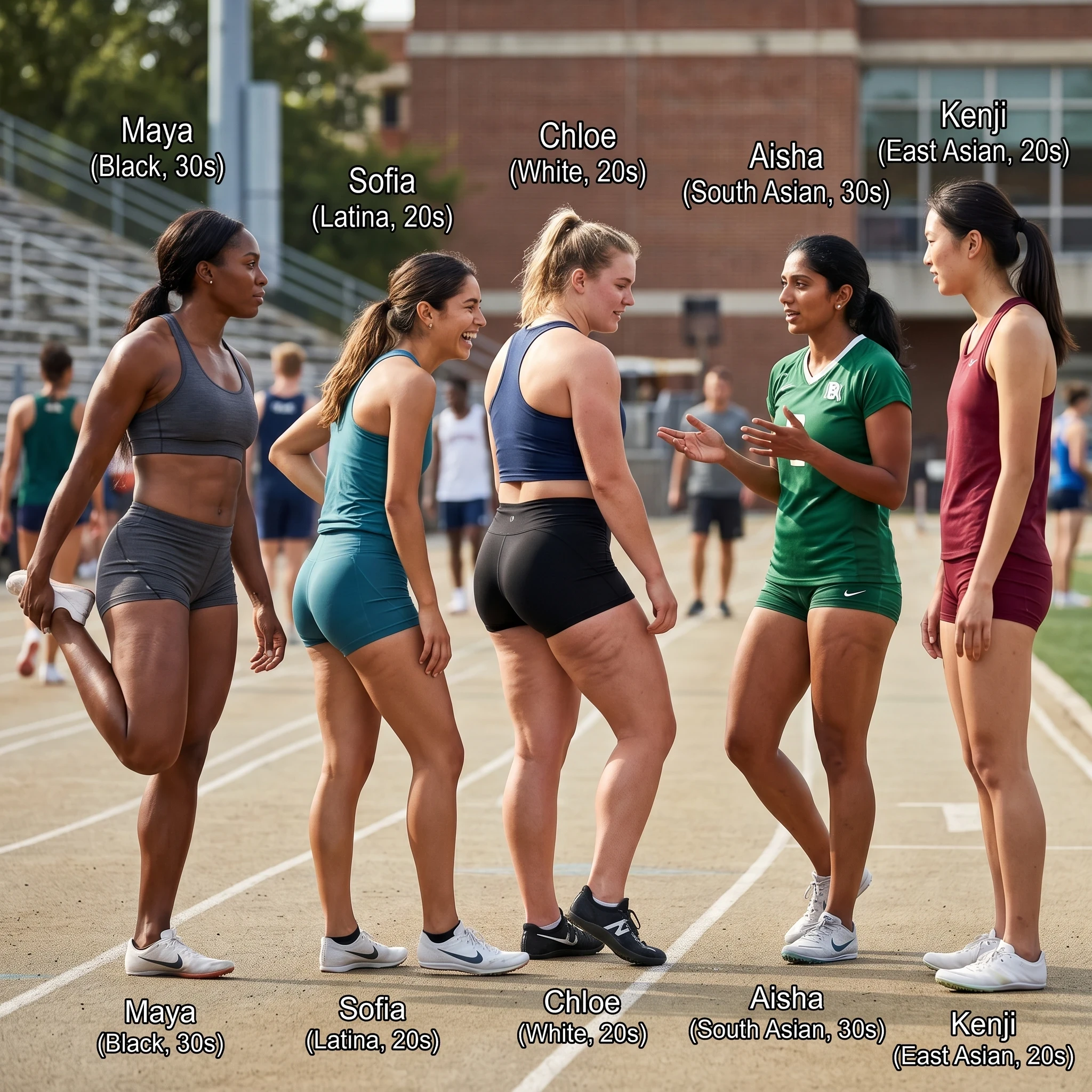
If you assume that being highly fit or building substantial muscle guarantees that cellulite will not show up, the reality tends to come as a surprise. Athletes at competitive levels across all backgrounds and ethnicities frequently have visible cellulite, and it is not something that disappears with training alone.
Runners, lifters, and dancers across many different ethnic backgrounds can have cellulite even with body fat percentages well below general population averages. You might notice differences in how deep the dimples look depending on how much underlying fat is present or how firm the muscle beneath is, but the connective tissue structure that drives cellulite formation is the same regardless of who you are. In fact, as muscles develop and fat layers thin, some athletes report that cellulite actually becomes more visible rather than less, because the skin sits more directly over the connective tissue and ligaments beneath. That increase in visibility is purely about contrast and how the skin interacts with underlying structures; it has nothing to do with health or fitness level.
Fitness genuinely changes how the body looks and can help with circulation and overall skin firmness, but it does not erase those small pockets of fat beneath the skin. The key point is that cellulite is not a sign of poor fitness, bad health, or low strength. It is a cosmetic characteristic of how human bodies store fat and connect skin to muscle, and no training program makes everyone immune.
Treatments and What Works Across Skin Tones
Plenty of treatments and creams claim to eliminate cellulite, but the real-world results are usually far more modest. Most topical treatments work in broadly similar ways across different skin tones because they typically target the surface layer or aim to temporarily improve circulation. You might see small improvements in smoothness or hydration, but nothing applied topically removes cellulite completely.
Device-based treatments like radiofrequency, lasers, and acoustic wave therapy can produce more meaningful improvements in cellulite appearance, but not all devices are appropriate for every skin tone. Some lasers carry genuine risks of pigmentation changes or surface damage on deeper skin tones, which makes finding a clinic with real experience treating a range of skin types genuinely important. Always work with a professional who understands those differences rather than one who applies a one-size-fits-all approach regardless of skin color.
Practical approaches like massage, dry brushing, and staying consistently active support circulation and can make the skin look somewhat more toned over time, but they are not permanent fixes. Keeping expectations realistic is the right baseline across the board. For a broader overview of what actually works across different treatment approaches and what to look for when evaluating your options, the cellulite treatment guides on this site are a useful starting point.
The safety and effectiveness of device-based treatments depend heavily on customization for your specific skin. A knowledgeable provider will factor in your skin type and history before recommending laser or energy-based therapies. Patch testing and a slow, cautious treatment progression can reduce the risk of pigment shifts and make for more comfortable, consistent results. Above all, weigh your options carefully, ask your provider direct questions, and be realistic about what any treatment can and cannot do.
What Matters More Than Ethnicity
Once you move past the marketing language and outdated assumptions, a handful of factors emerge as far more influential than skin color or ethnic background when it comes to how cellulite looks and behaves:
• Skin thickness: A thicker dermis can soften the visual impact of dimpling, but individual variation within every group is significant.
• Body fat percentage: More subcutaneous fat generally makes cellulite more noticeable. Where it is stored is largely driven by genetics and hormones rather than ethnicity alone.
• Hormones: Estrogen is a primary driver of the fat storage patterns and connective tissue structure that make cellulite more common in women.
• Circulation and lymphatic flow: Healthy blood flow and lymphatic drainage support skin firmness and may reduce puffiness, even if they do not fully resolve cellulite on their own.
These underlying physical factors explain most of the observable differences between individuals and groups. Routines that focus on strengthening connective tissue, encouraging lymphatic drainage, and maintaining a healthy skin barrier through hydration and nutrition tend to produce more reliable results than any approach based on ethnic background. The levers you can actually control are consistent skincare habits, physical activity, nutrition, and stress management, and those apply equally across every skin tone.
Common Myths About Cellulite and Ethnicity

There is a lot of frustrating, outdated information still in circulation on this topic. A few of the most common myths come up again and again and are worth addressing directly:
• “Only Western women get cellulite”: Completely false. Cellulite appears across every cultural and geographic background without exception.
• “Darker skin means no cellulite”: Not true. It may be less visible under certain lighting conditions, but cellulite is just as common across all skin tones.
• “Genetics fully determine it”: Genetics are significant, but lifestyle, hormonal status, and even chronic stress all contribute to how and where cellulite develops.
• “Losing weight will eliminate it”: Weight changes can alter the appearance of cellulite, but they will not erase it entirely. Losing too much body fat can sometimes make dimpling more pronounced as the skin loses underlying support. Focusing on sustainable habits and self-acceptance is a more productive long-term goal.
If something sounds too simple to be true, or paints entire populations with the same brush, it is worth a second look. Advice that comes from sources acknowledging the complexity of this topic is always more trustworthy than anything promising a single definitive answer.
How to Evaluate Your Own Cellulite Without Comparison
Comparing your skin to social media photos or even close friends is a reliable route to unnecessary frustration. Lighting, camera angle, filters, and even the time of day can completely change what skin looks like in an image. The most useful approach is to set your own consistent baseline and pay attention to changes that actually matter to you. Cellulite can look more obvious in harsh light or after a salty meal, so keeping things in perspective is important.
Focusing on the health and feel of your own skin will take you further than chasing a specific look you have seen online. The goal is not to eliminate every dimple but to understand what is normal for your body and work toward changes that genuinely improve how you feel. Tracking your own progress with consistent lighting and a fixed location, perhaps a photo once a month in the same spot, gives you a far more accurate sense of real change over time than relying on memory or curated social feeds for comparison. Your comfort and confidence matter far more than meeting someone else’s standard.
Frequently Asked Questions
Does cellulite look different on different skin tones?
Yes, primarily because of how light and shadow interact with the skin’s surface texture. Visibility can differ quite significantly depending on lighting and skin tone, but the underlying structure is generally the same across all backgrounds.
Can certain ethnicities avoid cellulite naturally?
No. There are some population-level tendencies in how cellulite looks and where it tends to develop, but no group is immune. Genetics can influence where it appears and how visible it is, but everyone is potentially affected regardless of background.
Are treatments just as effective for all skin tones?
Most topical treatments work in broadly similar ways across skin tones. Device-based options like lasers or radiofrequency need more careful management on deeper skin tones to avoid unwanted pigment or surface changes. Always seek out a provider with genuine experience treating your specific skin type.
Final Thoughts and Next Steps
Cellulite does not play favorites. It shows up across every skin tone, every body type, and every ethnic background, even when it does not always look the same from person to person. The differences in visibility and texture that do exist are mostly explained by lighting, skin structure, and fat distribution patterns, not by any meaningful hierarchy in skin health or fitness. Taking care of your skin, staying active, and holding realistic expectations will always serve you better than worrying about how your skin compares across ethnic lines.
If you want a practical, structured approach to working on the appearance of cellulite, the Joey Atlas Symulast exercises review is a straightforward and honest starting point worth reading.
For more guides, honest treatment comparisons, and practical tips covering all things cellulite and skin care, head over to the homepage where there is plenty more to explore, whatever your skin tone or background.
Leave a Reply