If you’ve noticed cellulite on your body, you’re definitely not alone. People of all shapes and sizes get those dimpled areas, and it’s actually really common. While there’s loads of talk about creams, massages, and body brush routines, I think we’re missing one possible angle: what’s going on inside.
Gut health is finally earning its spot in discussions about everything from energy to mood, and it can also influence how our skin looks, including the appearance of cellulite.
Key Points
• Cellulite is normal and affects people of all body types, shapes, and fitness levels.
• Gut health may modestly influence appearance through its effects on inflammation, hormone balance, and blood sugar regulation.
• Expect subtle, gradual changes, not a cure. Improving gut health supports overall wellness, with skin benefits as a possible bonus.
Cellulite Is Not Just a Skin Issue
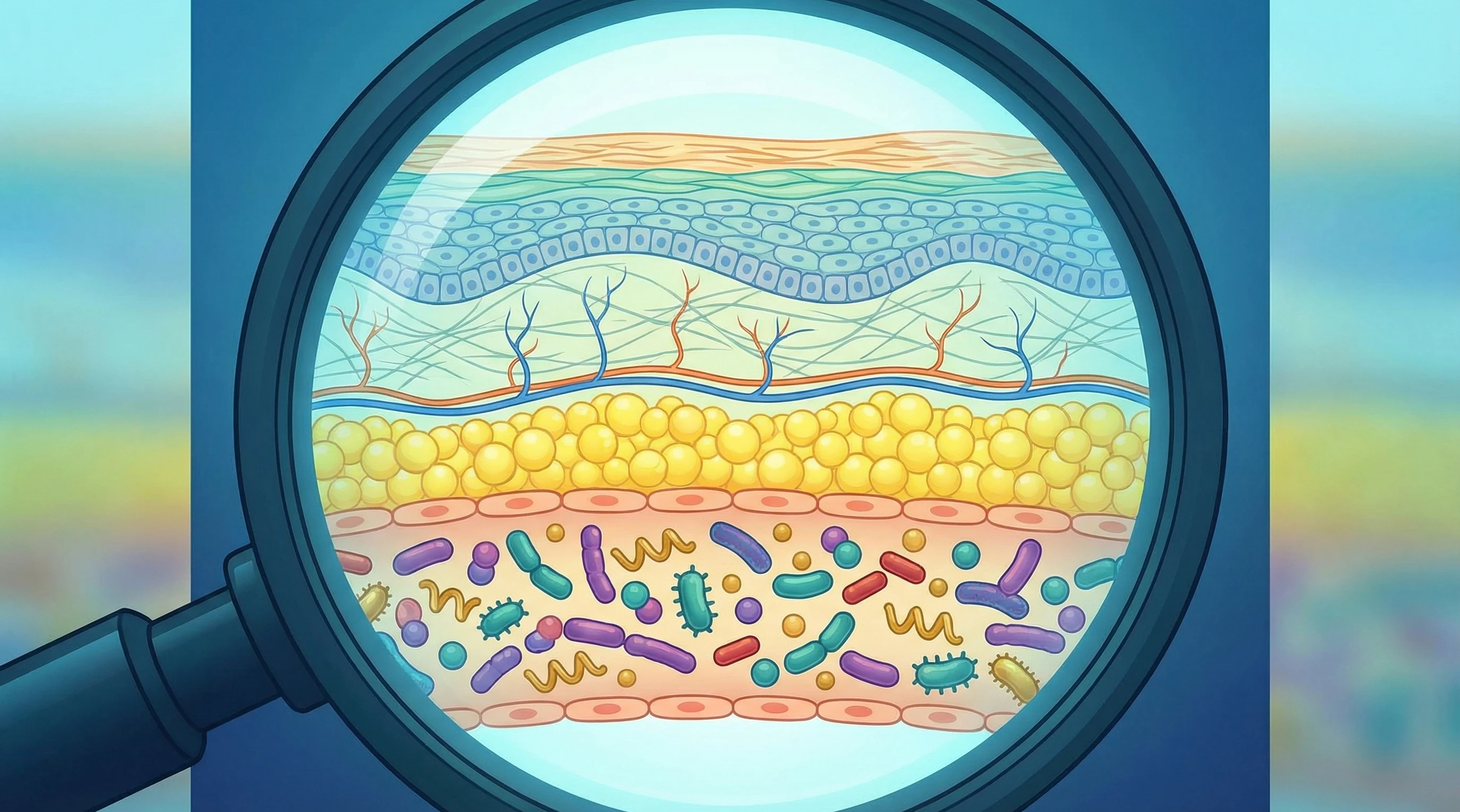
Cellulite shows up as those familiar bumps and dips, often around thighs, hips, or arms. It’s not just an issue with fat. Under the skin, cellulite forms where fat pushes against connective tissue, making the skin look uneven. Circulation and the quality of the connective tissue both play a part in how much cellulite you see.
While the beauty industry usually focuses on the outside, research is showing that internal factors like inflammation, hormone balance, and even gut health may also play a part. Poor gut health can influence many of these internal systems, so it’s worth taking another look if you’re curious about new ways to support your skin.
You don’t have to give up your favorite creams. But paying attention to causes inside the body, especially in areas like digestion and hormone regulation, can offer a more comprehensive approach for your skin’s texture and health.
What Gut Health Really Means
Gut health isn’t about buying expensive “detox” plans or doing trendy cleanses. When I talk about gut health, I mean having a gut microbiome (the mix of bacteria, yeast, and other microbes in your intestines) that’s balanced and working well. A healthy gut helps you digest food, keeps your immune system sharp, and helps manage inflammation.
Good gut health usually means regular digestion, less bloating, healthy bowel movements, and a gut lining that keeps bad stuff out while letting nutrients in. Signs of poor gut health might include ongoing gas, constipation, food sensitivities, fatigue, and even dull skin.
You don’t need special products to keep your gut happy. Practical steps like eating enough fiber, sticking with minimally processed foods, and staying hydrated go a long way.
Inflammation: The Gut-Cellulite Link
Chronic, low-grade inflammation is one reason why skin can look dull, puffy, or uneven. A lot of us deal with some level of ongoing inflammation without realizing it. When it comes to cellulite, this background inflammation may weaken connective tissue and interfere with blood flow, which can make cellulite appear more pronounced.
Poor gut health is one factor that can ramp up this inflammation. If the gut lining isn’t as strong as it should be, or when “bad” bacteria crowd out the helpful microbes, the immune system may stay in a state of low alert. Recent reviews on the gut-skin axis suggest this inflammatory response can affect tissues throughout the body, including the skin (Frontiers in Microbiology).
Most gut-skin research focuses on inflammatory skin conditions like acne and eczema. Direct cellulite studies are limited, but the shared mechanisms of inflammation and circulation suggest a plausible connection.
Over time, this can influence how your connective tissue holds up, a key piece in the cellulite puzzle. Supporting your gut’s natural defenses with daily movement, high-fiber foods, and plenty of water makes a genuine difference in the long run.
Gut Health and Hormone Balance
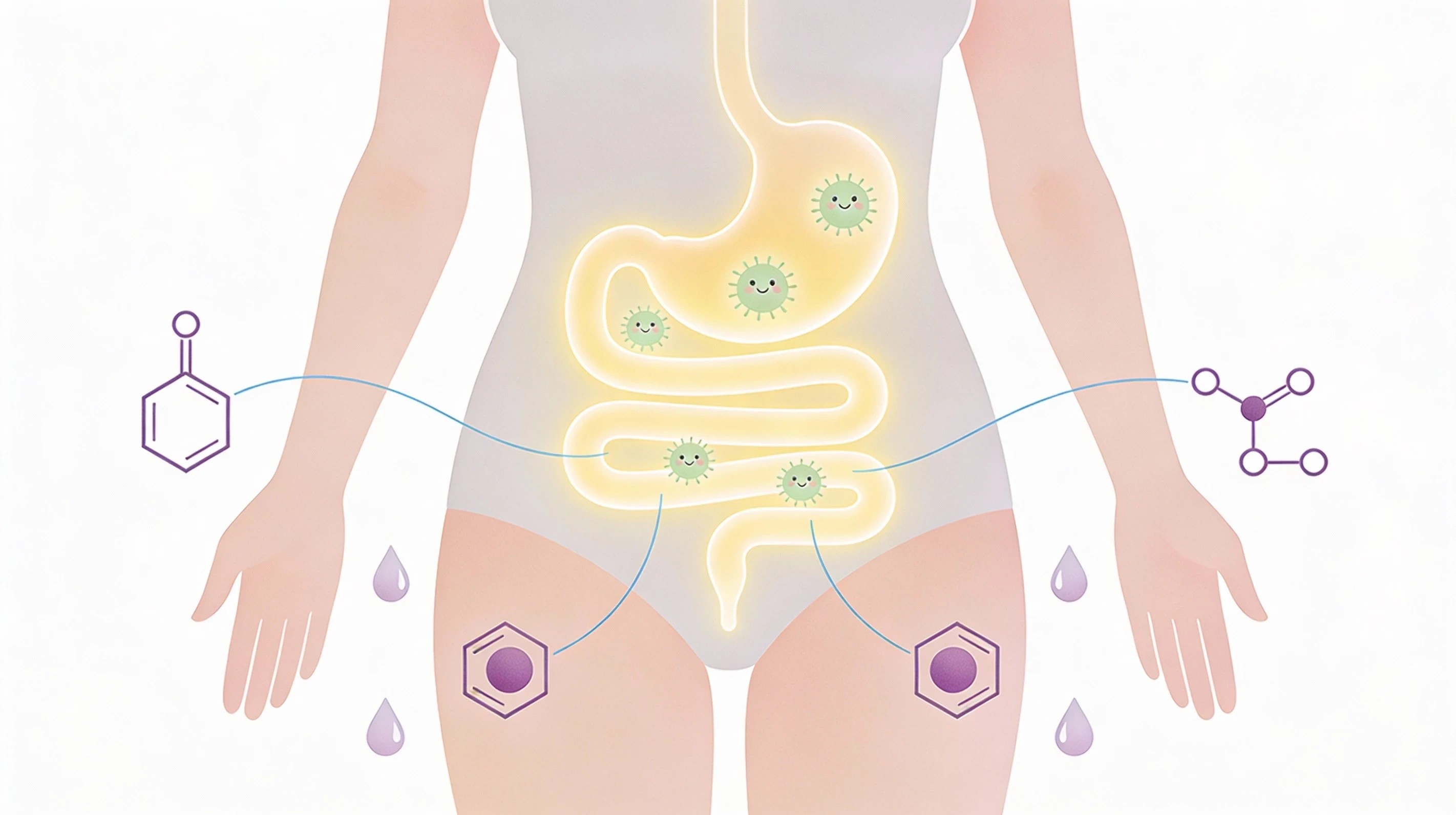
Hormones play a really big role in how and where our bodies store fat and build connective tissue. This is especially true for estrogen, which is one reason why cellulite is much more common in women. Your gut is part of the estrogen management system: it helps process and remove hormones you no longer need so your body can function its best.
Certain gut bacteria break down estrogen, helping your body clear out the “used” hormones through digestion. If your gut is out of balance, old estrogen may recirculate instead of being removed, which could tip your overall hormone balance and may increase fat storage in the typical cellulite-prone areas.
Because hormones and gut bacteria work together, supporting hormone balance is one more reason that digestive health and cellulite might be connected. It’s more about easing up the contributing factors than expecting a magic cure.
Blood Sugar, Insulin, and Fat Storage
Ever notice your skin feels puffier after lots of high-sugar snacks? Spikes in blood sugar can influence the way your body stores fat, manages circulation, and builds connective tissue. When blood sugar is unstable or stays high over time, your body produces more insulin, the hormone that tells fat cells to store extra calories.
Areas with stubborn fat, like those where cellulite shows up, may be more affected by high insulin. Chronically high insulin can also affect the health of your blood vessels, making circulation sluggish and slowing down the delivery of nutrients to the skin.
Good gut health supports better blood sugar control by helping digest complex carbs and supporting steady energy release after meals. Mindful eating habits, such as spreading out carbs, including protein in every meal, and choosing whole grains, support more stable blood sugar.
“Leaky Gut” Explained Carefully
“Leaky gut” is a term that gets tossed around, but here’s what it really means: in some cases, the lining of your intestines gets a little too loose, letting bits of food or bacteria pass into the bloodstream where they shouldn’t be. Scientists are still debating the finer details, but there is evidence that some folks with allergies, autoimmune issues, or digestive trouble may have a less sturdy gut lining (Cleveland Clinic).
This isn’t something to panic about, but a more “leaky” gut lining can contribute to ongoing inflammation. When inflammation goes up, it may impact skin health and the quality of connective tissue, potentially making cellulite appear more noticeable.
Supporting your gut lining with enough fiber, protein, and not going overboard on very processed foods can be helpful. Including beans, seeds, leafy veggies, and probiotic-rich yogurts is an easy way to shore up your gut’s natural barrier.
Why Probiotics Are Not a Magic Fix
There’s a lot of hype around probiotics and skin health, but I like to keep expectations realistic. Probiotics are the “good” bacteria found in supplements and fermented foods. These bacteria may help balance the gut, but not all strains are equally helpful, and not everyone sees the same results.
Some studies show that certain probiotic strains may support smoother-looking skin texture since they help tone down inflammation. Still, probiotics on their own can’t undo poor diet, high stress, or a lifestyle that ignores overall gut health.
If you’re thinking about taking probiotics, food sources like yogurt, kefir, or sauerkraut are a smart starting point. Supplements may help if you choose the right strains for your needs, but results vary depending on the person.
Gut-Supportive Habits That May Help

Building better gut health doesn’t require totally overhauling your life. Small, doable habits can make a genuine difference over time.
Anti-inflammatory Eating Patterns
Eating more colorful vegetables, berries, olive oil, nuts, and fish can tamp down inflammation. These foods are rich in antioxidants and healthy fats, which your gut lining and immune system love.
Fiber and Fermented Foods
Aim for a mix of soluble and insoluble fiber: oats, beans, apples, carrots, and leafy greens. Fiber keeps digestion regular and feeds the healthy bacteria in your intestines. Fermented foods like kimchi, kefir, miso, and yogurt add helpful bacteria into the mix.
Reducing Ultra-Processed Foods
Processed snacks, sugary drinks, and “junk” foods can mess with your gut microbiome and ramp up inflammation. Swapping even a few of these each week for whole foods gives your gut less work and more balanced nutrients.
Stress and Sleep
Stress hormones directly impact how your gut works, leading to symptoms like bloating or cramps. Making time to relax, enjoying meals without distraction, and getting enough sleep each night are underrated but really important for gut balance.
What Gut Health Cannot Do
Even with good habits, there are real limits to what gut health can do for cellulite. Genetics determine a lot about how your body stores fat and builds connective tissue. Body structure, skin thickness, and circulatory health also play a part.
Changes tend to be gradual and subtle. You might notice less bloating or puffiness, or firmer skin over time, but expecting a major transformation isn’t realistic. Cellulite is a totally normal pattern for most bodies. Working on gut health is more about supporting your general well-being than chasing impossible perfection.
Gut Health as Part of a Bigger Strategy
While building better digestive health is a smart choice, you’ll see the best results by combining it with other realistic strategies. Regular movement, strength training, and activities that boost circulation can all support skin texture and connective tissue. Massage, hydration, and foam rolling may also give your skin a temporary boost.
Instead of treating gut health like a cure, focus on it as one part of a bigger, balanced plan. Over weeks and months, these habits add up, supporting metabolic health, steady moods, better energy, and perhaps a little improvement in stubborn skin texture.
Final Takeaway
Cellulite isn’t just a surface issue. It’s influenced by your skin, connective tissue, circulation, and what’s happening inside your body. Supporting gut health can play a role in keeping inflammation lower, managing hormones, and supporting better blood flow.
Be patient and think long-term. Cellulite may not disappear, but looking after your gut brings loads of other benefits you’ll notice from the inside out. Aim for progress over perfection, and celebrate small wins like steadier energy or fewer tummy troubles.
Frequently Asked Questions
Can gut health remove cellulite?
Gut health can influence factors linked with cellulite, like inflammation and hormone balance, but it doesn’t actually remove cellulite. It’s just one part of a bigger picture.
How long would changes take?
Any changes you notice from supporting gut health tend to be subtle and gradual. It’s usually a matter of months, not days, and everyone is different.
Are probiotics worth trying?
Probiotics can help some people, especially if you struggle with digestion or have recently taken antibiotics. Food sources like yogurt or kefir are a good starting point.
Does sugar worsen cellulite?
High sugar intake can increase insulin, encourage fat storage, and raise inflammation levels. Over time, that may make cellulite appear more visible. Cutting back isn’t a cure, just something that can help support smoother skin.
Is cellulite a health problem?
Cellulite isn’t a health risk, just a common pattern of how fat and connective tissue sit under the skin. Most people have some cellulite regardless of weight or fitness level.
Ready to Take the Next Step?

If you’re looking to combine your gut health efforts with targeted cellulite strategies, here are two popular approaches worth exploring:
Exercise-Based Approach: The Symulast method focuses on specific lower-body movements designed to target cellulite-prone areas. Read our full Joey Atlas Symulast Exercises Review to see if this workout program might complement your wellness routine.
Supplement Support: For those interested in tackling cellulite from the inside out, Cellinea offers a pill-based approach. Check out our Cellinea Cellulite Pills Review to learn how it works and whether it’s right for you.
Leave a Reply