Hitting menopause can bring changes almost nobody warns you about ahead of time. Things like waking up with softer, less firm thighs or noticing dimpled skin in places that never bothered you before. I’m right there with you in noticing that cellulite doesn’t just pop up overnight, but it sure becomes a lot more obvious after 40.
For many women, cellulite during menopause becomes incredibly persistent, especially around the hips, thighs, and butt. If this sounds familiar, just know you’re definitely not alone, and there are natural, science-backed things you can do to make your skin look and feel smoother again.

Even though hormonal cellulite is common, especially post-50, I’ve found over the years that real improvement is totally possible without turning to harsh medical procedures or weird, expensive creams. Menopause changes so much about how your body handles fat, skin texture, and circulation, but small changes in your daily routine can help reduce cellulite naturally and boost your confidence again.
I’m breaking down exactly why cellulite can get worse in midlife, and walking you through the real strategies that help, so you can start seeing (and feeling) improvements for good.
Why Cellulite Gets Worse During Menopause
So what’s really happening in your body? The changes that come with menopause are mostly driven by dropping estrogen levels. Estrogen isn’t just about periods or pregnancy. It’s a powerhouse hormone that keeps your skin supported and your blood flowing well.
Here are some of the main ways your body switches up during menopause that make postmenopausal cellulite more visible:
Collagen and connective tissue get weaker. Estrogen helps build collagen, which gives your skin strength and firmness. After menopause, collagen production drops by up to 30% in just the first five years. That alone can make your skin thinner, looser, and less able to “hold in” the fat below the surface.
Fat redistributes around your hips, thighs, and abdomen. Menopause signals your body to store fat in different areas, and that means new or more noticeable dimples in those common spots where cellulite loves to hang out.
Skin loses elasticity, so even small changes in muscle tone or fat layer become magnified. Thinner skin means more obvious cellulite.
Poorer circulation and lymphatic drainage. When estrogen drops, your blood vessels get less efficient. That can lead to more swelling and less detoxification of the tissues under your skin. This is the setup for the classic “orange peel” look.
It’s easy to feel like the answer is finding some miracle anti-aging serum, but the truth is: muscle tone and hormonal balance matter so much more for cellulite after 50 than the latest cream.
I talk to a lot of women who’ve spent big money on topical treatments, only to spot little change. The real results come from addressing what’s happening inside the body, not just on the surface.
The Hormonal Link Between Estrogen and Cellulite
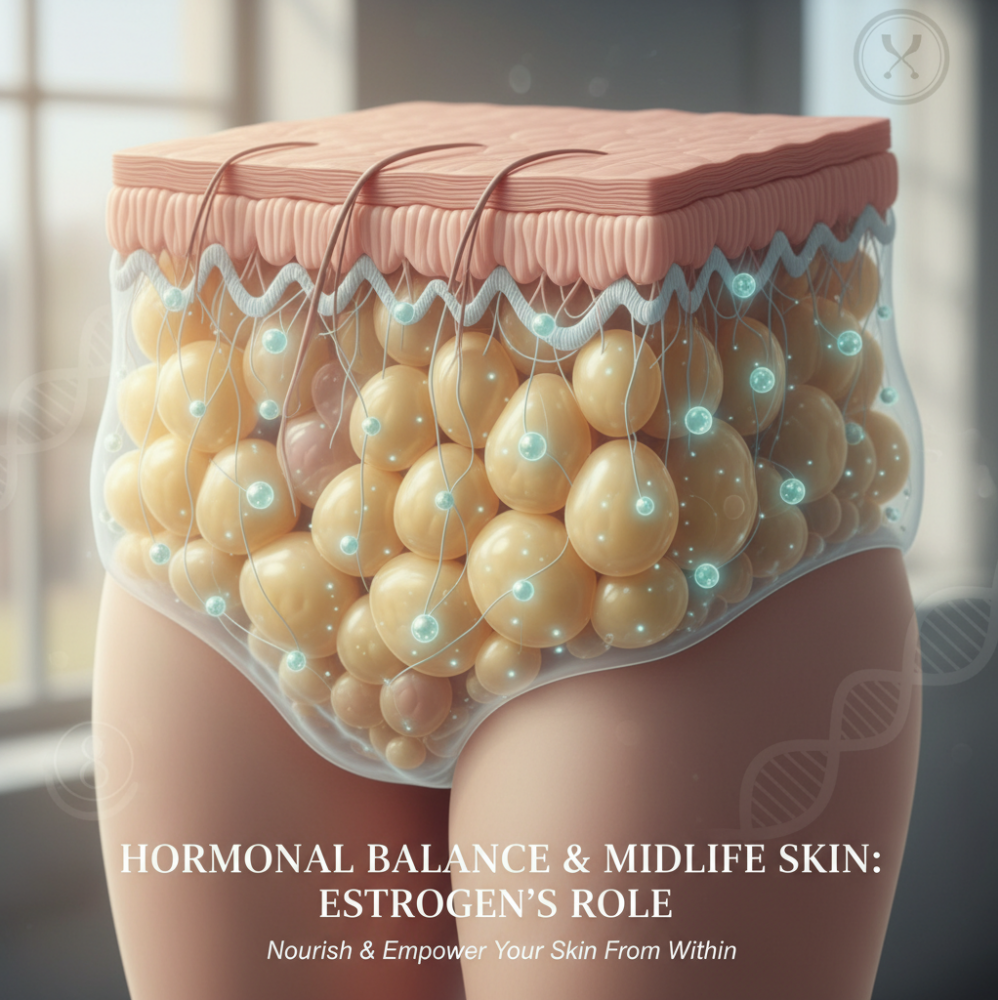
Estrogen and cellulite are connected in a way that goes beyond what you eat or rub on your skin. When estrogen levels decline, here’s what actually happens to the tissues beneath your skin:
Blood vessels get less flexible and smaller, causing circulation to slow down. Less blood flow means your skin cells get less oxygen and nutrients, so they don’t repair or refresh as quickly.
Collagen breaks down faster and isn’t replaced as effectively, so your skin’s “scaffolding” starts to sag. Those little pockets of fat that were once hidden become way more visible.
Fat cells get larger, and your body is more likely to store extra fat in your butt, hips, and thighs. It’s not about gaining a ton of weight. Even small changes in where fat lands can make cellulite stronger.
Skin gets thinner with less estrogen, which makes all the bumps underneath show through.
Some natural hormone support can be useful, especially from foods. Flaxseed, soy, chia, and sesame are naturally high in phytoestrogens, which gently mimic estrogen in the body. Omega-3s from fish, walnuts, and flax help strengthen skin membranes and support repair.
Still, I’ve found that diet changes work best alongside targeted exercise and better circulation rather than on their own.
Most cellulite treatment for women over 40 comes down to improving collagen, increasing blood flow, and boosting muscle tone right under the skin. Supplements or foods can help, but movement and smart exercise really make the difference in getting firmer, more lifted skin.
What Makes Cellulite Worse After 40
It’s not just about hormones. There are some common daily habits (or, sometimes, life realities) that make cellulite worse after 40. Here are the big ones:
Sitting for long periods. Office jobs, long drives, or anything that keeps you still for hours slows circulation and lymph drainage, which can bump up swelling and fluid retention in problem areas. Taking mini movement breaks makes a difference.
Processed food, salt, and sugar. Lots of packaged snacks and sugary foods cause blood sugar spikes and can trigger your body to stash fat just under the skin.
Dehydration. Without enough water (I aim for 2 to 3 liters daily), skin cells get drier, and cellulite looks more obvious.
High levels of stress and poor sleep quality, which both mess with hormone balance. When you’re low on sleep, your body goes into “store fat now” mode, not great for hormonal cellulite.
Alcohol or smoking. Both reduce circulation and can thin your skin even faster, making everything underneath more obvious.
It’s not about being perfect in every category. Trust me, almost no one is. Small, consistent improvements in movement, hydration, and food choices are what count for real, lasting change.
Proven Ways to Reduce Cellulite During Menopause
1. Activate the Muscles Under the Skin
If you want to visibly reduce cellulite during menopause, focusing on muscle tone is the key. This is exactly why I recommend the Joey Atlas Symulast Method. It’s a series of gentle, targeted exercises that specifically wake up and strengthen the small muscles in your legs, bum, and lower body, the same ones supporting the skin where cellulite shows up.
Instead of high-intensity interval training or hours in the gym, Symulast is designed for women ages 35 to 65 and fits easily into a busy schedule.
The idea is to gently tone and lift the tissue under the skin, which naturally tightens the area and helps smooth out the surface. Over time, the improved circulation from these movements also brings more nutrients and oxygen to the skin itself, speeding up repair and renewal.
You don’t need expensive equipment or a gym membership, just some floor space and a few minutes a day.
Read the full Symulast review here
2. Support Collagen and Circulation
Healthy skin isn’t built in a day, but supporting your body’s collagen production and keeping blood flowing brings visible results:
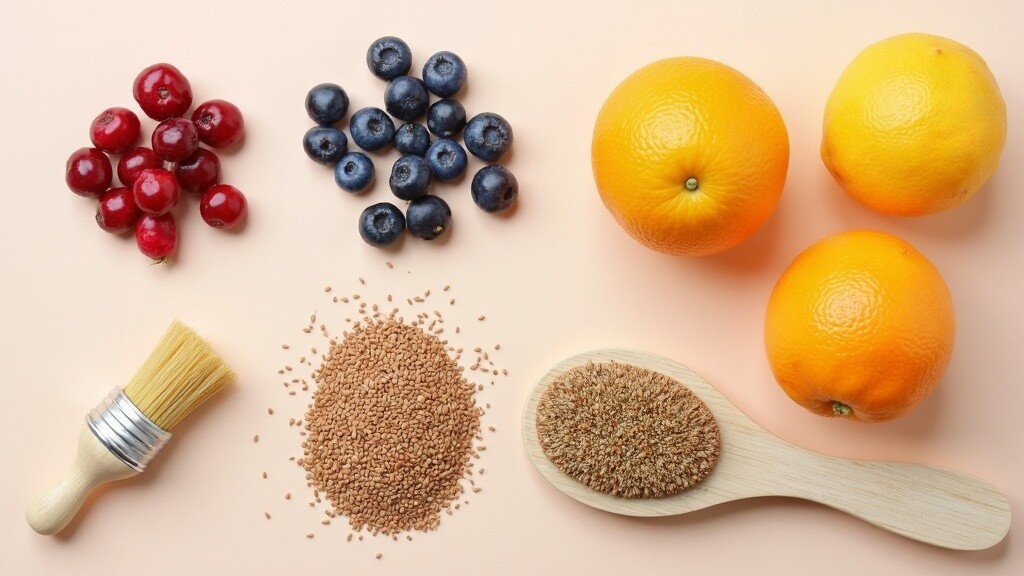
Eat more vitamin C-rich foods: These include strawberries, bell peppers, oranges, and kiwi. Vitamin C helps your body produce new collagen and protect what you have left.
Dry brushing before your shower is pretty handy for boosting blood flow and lymphatic drainage. Make gentle, upward strokes toward your heart on dry skin. Here’s a highly rated dry brush on Amazon worth checking out if you want to try this routine.
Self-massage with a firming oil or lotion can stimulate circulation and help skin absorb nutrients better. A simple coffee-ground scrub works just as well as fancy creams.
Use creams with caffeine or retinol a few times a week. Caffeine temporarily tightens the skin, and retinol encourages new collagen growth. Check out this bestselling retinol cream for cellulite to give your routine a boost.
Hydrate well. Two to three liters of water daily plumps up skin cells and helps the body flush out excess sodium and fluid. I keep a big bottle with me and refill it several times a day as a habit.
3. Maintain a Hormone-Friendly Diet
What you eat now is pretty important for your skin and hormone balance. Instead of restrictive diets, I focus on building plates around whole foods most days:
Eat more plant proteins, like beans, lentils, tofu, and tempeh. They provide protein for muscle building plus fiber for gut health, both helpful for cellulite after 50.
Fiber-rich foods, such as oats, chia seeds, berries, and greens, support healthy digestion and smooth out insulin spikes, helping with fat storage.
Choose healthy fats, including olive oil, avocado, walnuts, and wild-caught salmon. Omega-3 fatty acids are especially helpful for keeping skin hydrated and flexible.
Get some phytoestrogens through flaxseed, soy, and chickpeas. These naturally support your body’s estrogen stores and can help with some of the skin-related changes of menopause.
Try a high-quality collagen supplement. While results vary, collagen peptides can help with skin repair. Here’s a top-rated collagen powder readers have found helpful.
You could also try the Cellinea supplement. It’s designed to target cellulite from within, and many women report noticeably smoother skin after a few months. See the review for more details: Cellinea Cellulite Pills Review.
4. Strengthen Lymphatic Flow
If you’ve ever noticed your legs feel puffy or heavy by the end of the day, that’s a sign your lymphatic system might need a little help. Lymphatic drainage makes a difference with hormonal cellulite because it keeps extra fluid and toxins moving out.
Here are a few movement routines I rely on:
Walking every day. Even 20 to 30 minutes helps pump lymph fluid out of the tissues that get bogged down with extra fluid.
Rebounding (mini trampoline workouts) are easy on joints and super effective for boosting circulation and lymph flow in all the problem areas.
Gentle yoga or stretching can do more than you’d think for helping your body process and move out trapped fluid.
Making a habit of these activities even three to five days a week goes a long way, especially combined with hydration.
5. Consistency Over Perfection
This one is just real talk. Permanent improvement in cellulite, especially post-menopause, is all about sticking with changes rather than chasing a perfect streak. Some weeks you’ll nail your exercise and hydration. Other weeks, things get off track.
What’s most important is coming back to your routines and not giving up just because you had pizza night or missed your walks.
Think of it like brushing your teeth. Not glamorous, not always exciting, but it works because it’s a regular habit. Long-lasting smoothness and firmer skin are really about steady, doable habits, never about sacrifice or all-or-nothing thinking.
Realistic Expectations and Long-Term Results
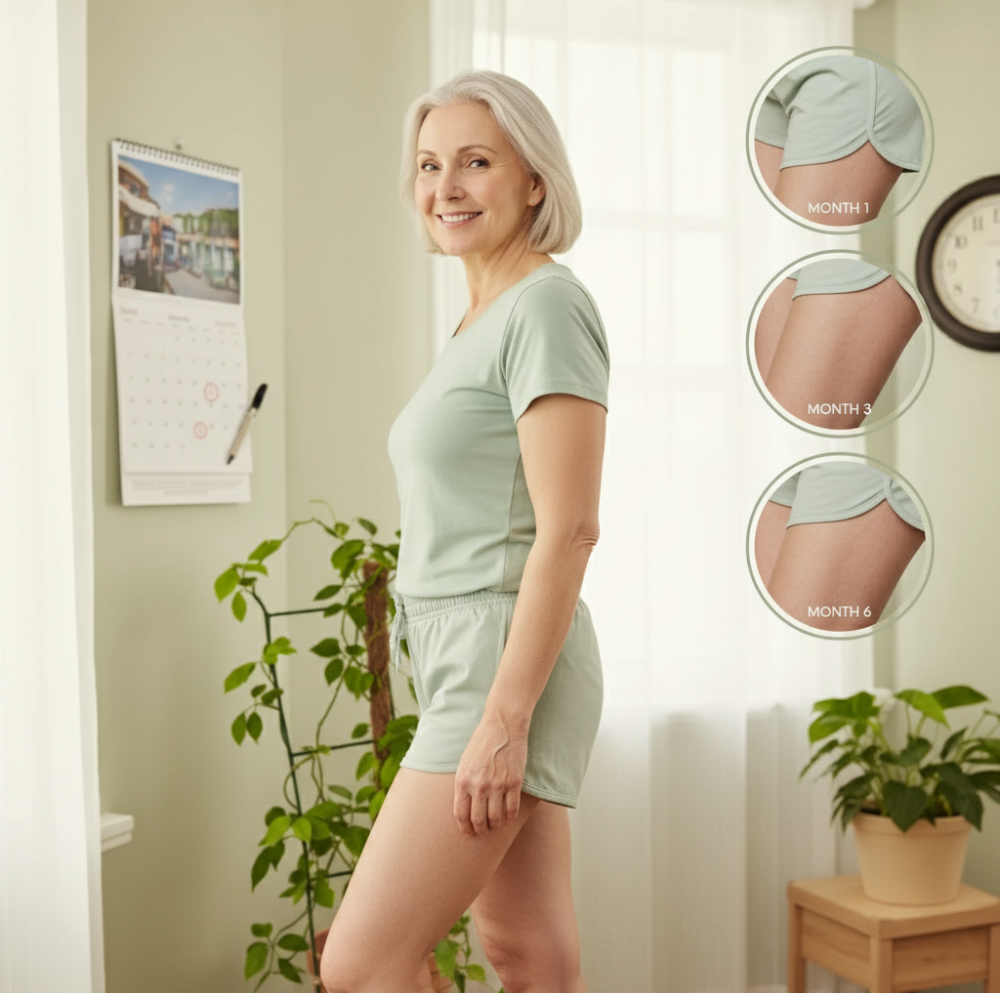
Maybe the most important thing to keep in mind: cellulite isn’t a flaw, it’s a completely normal part of mature, healthy skin. Genetics play a role, so even models and trainers have it.
What I’ve seen (both in myself and readers) is that you can absolutely make cellulite less visible and improve overall skin texture, but those Instagram-level before-and-afters in a week aren’t real.
If you combine smart exercise, like the Symulast method, plus supportive eating habits and more movement throughout the day, you can see smoother, healthier skin in just a few weeks. The longer you stick with these changes, the firmer and tighter your skin will feel, and that difference is way more real than what any single cream promises.
Your results will depend on many factors, but I always remind my friends to give it at least 30 to 90 days before judging any new routine. Your body needs time to build new collagen, remodel the area, and flush out stored fluids. Lasting changes really do require a bit of patience.
Most women who stick with these habits find new confidence and learn to care way less about small imperfections.
Frequently Asked Questions
Before we dive deeper into what really helps, here are some quick answers to the questions women ask me most.
Can cellulite go away after menopause?
Cellulite never disappears completely, and a little is normal in all ages and body types. But regular exercise, hydration, healthy eating, and self-care routines can help your skin look much smoother, often after just a few months. The earlier you start with muscle-tone moves, the better your results tend to be.
Do hormone replacement therapies help reduce cellulite?
HRT can give a boost to skin hydration and thickness for some women, which might help make cellulite less obvious. However, results vary widely, and HRT isn’t prescribed just for cosmetic reasons.
Most doctors focus on using the lowest dose for the shortest time needed, based on your personal health background. For many women, targeted exercise plus a healthy diet works just as well or even better for skin appearance.
Is there a best time to start anti-cellulite routines?
The sooner you start (even in perimenopause), the more likely you are to keep skin firm and healthy. But it’s never too late. I’ve seen real changes in women starting routines in their 60s and beyond.
The biggest factor is consistency with food, hydration, and smart exercise, not age or timing alone.
Are certain foods known to make cellulite worse?
Highly processed foods, excess sugar, too much salt, and foods high in bad fats tend to worsen dimpling. That said, the occasional treat won’t undo your progress. Focusing most meals on whole, nutrient-rich choices is what matters most for daily habits.
Do creams, brushes, or spa treatments really work?
These can be helpful as a bonus to your main routine. Dry brushing or a good retinol cream can temporarily improve skin texture, but deep results always come from inside, supporting muscle tone, circulation, and skin repair long-term.
Key Takeaway: Reclaiming Confidence at Any Age

Postmenopausal cellulite is a super common concern, but it’s never too late to improve how your skin looks and feels. Menopause can actually be a fresh chapter where you tune in, care for yourself in new ways, and reclaim confidence from the inside out.
It’s about investing in small, sustainable habits (like targeted exercise, healthy eating, and self-massage) to get results that last, instead of quick fixes that disappoint.
If you want clear, step-by-step guidance, I really recommend checking out my review of the Joey Atlas Symulast program. It breaks down the moves and routines you need, designed especially for women over 40, and is easy to follow from home.
You don’t have to do it alone, and you definitely don’t need to settle for just “dealing with it.”
Read next: Joey Atlas Symulast Exercises Review
Leave a Reply