If you’ve ever caught a glimpse of your thighs in bright sunlight or tried on a swimsuit in fitting room lighting, you’ve probably noticed subtle dimples or a hint of unevenness in your skin—even in your early 20s. It’s not just frustrating, it’s super common. The truth is, preventing cellulite is way easier when you start early. Trying to smooth out those dimples later takes a lot more work, so picking up a few habits now saves you stress (and cash) in the long run. I’m breaking down the simple science, habits, and practical moves that really work. No impossible routines or weird miracle cures—just real, easy cellulite prevention tips for your 20s.
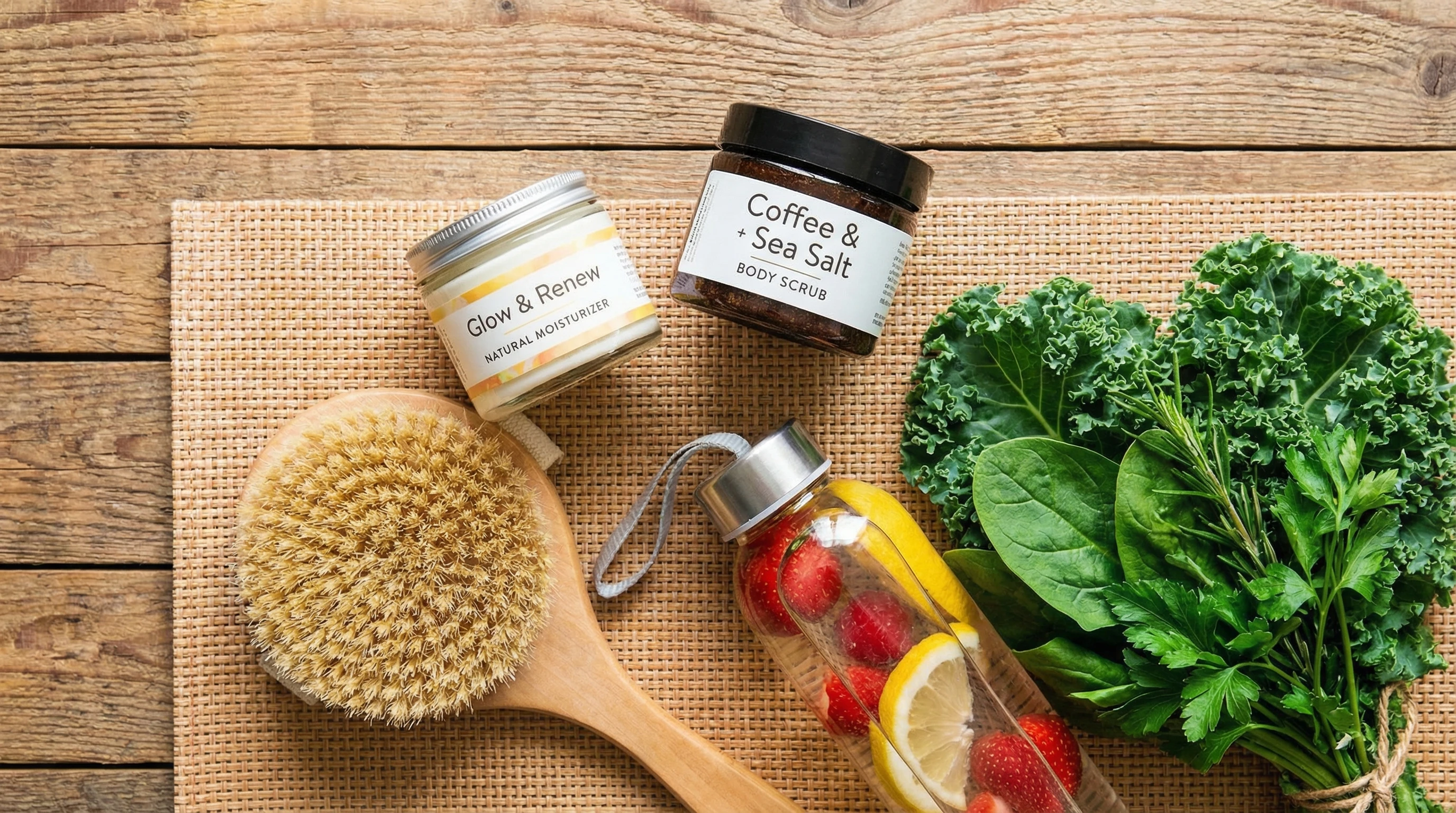
What Cellulite Really Is (Simple Science)
Cellulite isn’t just a buzzword for “imperfect” skin. It’s a totally normal thing that happens when fat deposits push through the connective tissue (called fascia) under your skin, especially in areas like the thighs, butt, and hips. The dimpled look comes from this uneven pressure and structure. Basically, it’s your skin’s way of revealing a funhouse mirror effect under the surface.
This isn’t only about body weight. Genetics, hormones, and even skin thickness have much more to do with cellulite than most people think. You might’ve noticed that lean, super active people can get cellulite too. This is because collagen—the stuff that keeps skin firm and stretchy—breaks down with age, hormonal shifts, or when you’re not giving your body what it needs. Estrogen, for example, plays a role in how fat and collagen are distributed, and is one reason why cellulite is so common in women.
Starting a few simple habits in your 20s helps build stronger skin and healthier fascia, making it much less likely that dimpling shows up at all. Early prevention means supporting healthy collagen, stable hormones, and hydration. This starts way before the whole situation gets trickier to deal with down the road. Plus, building these routines now sets you up for success when you get older.
How Lifestyle in Your 20s Affects Cellulite Formation
Even though genetics play a role, your daily choices can stack the odds for or against cellulite. A lot of things you might not even notice can be low key encouraging cellulite to form:
- Dehydration: Not drinking enough water makes connective tissue less flexible, showing off unevenness.
- High sugar diets: Sugar messes with collagen and leads to more fat storage under the skin.
- Chronic sitting: Long hours at your desk reduce blood flow, slow lymph movement, and weaken muscle tone around those stubborn areas.
- Poor sleep: Lack of sleep messes with recovery, stress hormones, and skin repair.
- Crash dieting or yo-yo weight changes: Big changes stress skin, weakening its structure and making cellulite more obvious.
- Inconsistent protein intake: Not getting steady, quality protein lowers collagen production.
- Chronic stress: High cortisol breaks down collagen and makes your body more likely to store fat in estrogen-sensitive areas.
No need to mix up your life all at once. Small tweaks add up. These are things you can work on in your usual routine, not just another beauty checklist. Even adding ten minutes of stretching during a Netflix binge or switching sugary drinks to water makes a noticeable difference over time.
Daily Habits That Actively Prevent Cellulite
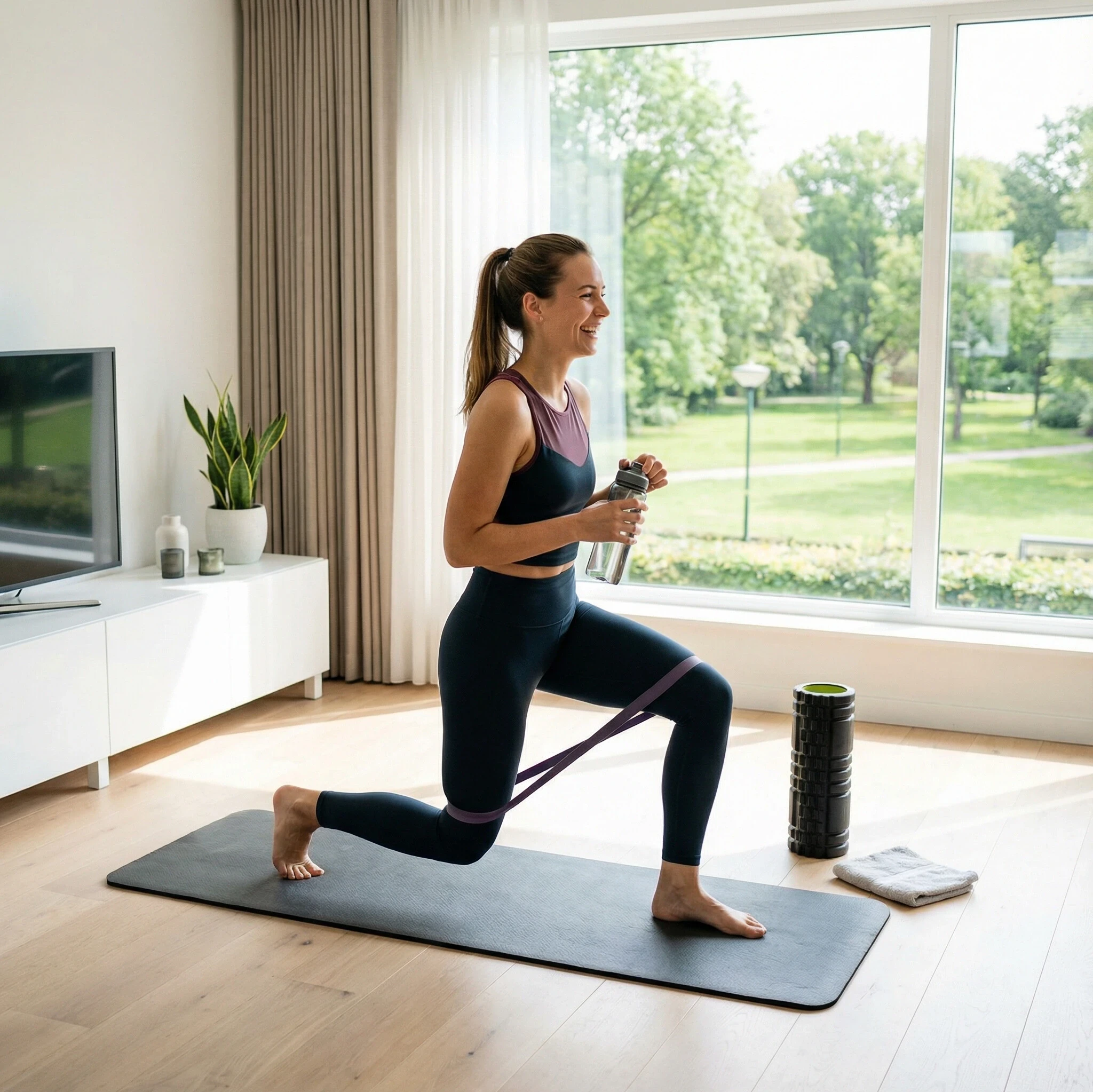
Your best defense against cellulite in your 20s is steady, realistic habits that support your skin and your body as a whole. Here’s how to make them part of your daily routine:
- Hydration routines: Sip on water throughout your day. Carry a cute bottle and set gentle reminders if needed. Aim for at least 8 cups, but listen to your body. If you’re sweating a lot, drink more. Hydrated skin is plumper and less likely to show dimpling.
- Balanced macro intake: Each meal should have protein (chicken, tofu, Greek yogurt), slow carbs (oats, sweet potatoes), and healthy fats (avocado, olive oil). Protein directly helps build stronger collagen, while omega 3s give a boost to skin structure and hydration.
- Strength training for collagen support: Muscle helps tighten skin and makes your lower half look smoother. You don’t need to be a gym superstar. Bodyweight squats, lunges, and glute bridges a few times a week work wonders. Progress at your own pace.
- Walking and low intensity movement: Long, easy walks keep blood flowing and help lymph drain toxins, which means less buildup in stubborn spots. Stretch your legs every hour at school or work if you can.
- Skin brushing: Dry brushing wakes up your lymph system and gently exfoliates. Do it before a shower a couple of times a week, brushing toward your heart. Use a natural bristle brush and gentle pressure.
- Managing stress and cortisol levels: Try simple techniques like box breathing, ten minute walks outside, or your favorite playlist to unwind. Less stress means better collagen and less fat storage.
Pick one area that feels easiest to start, then build from there. The point is steady progress, not instant perfection. You can also add tiny changes, like swapping soda for sparkling water or doing a few squats after brushing your teeth—small wins make a big impact.
Exercises for Firmness and Lymphatic Flow
Building muscle density and keeping fluids moving are both super important for preventing cellulite. Strong muscles lift and support the skin from beneath, while healthy circulation keeps tissues nourished and waste products cleared out.
Here are some moves that deliver results:
- Squats: These train your whole lower body, boost blood flow, and create a firm base.
- Lunges: Target quads, hamstrings, and glutes from every angle.
- Romanian deadlifts: Develop strong hamstrings and glute tie in, supporting the backside of your thighs.
- Glute bridges and hip thrusts: Tighten the muscles right under the surface that tend to show cellulite the most.
- Stepups: Great for evening out muscle tone and boosting blood flow in legs and glutes.
- Calf raises: Make your lower legs sleek and help pump lymph fluid upward.
- Core activation: Planks, dead bugs, and side planks help stabilize your whole frame and posture, keeping skin smoother overall.
- Walking: Aim for at least 6,000-10,000 steps per day. Gentle movement, especially outside, helps with lymphatic flow and lowers stress.
I’m a big fan of Joey Atlas Symulast exercises. They’re designed to boost lower body muscle tone and keep circulation healthy. If you need a simple plan, check out this review of Joey Atlas Symulast (it’s super practical for beginners!).
Consistency is key. Mix these moves into your regular workouts, or just pick two or three to do on days you’re short on time. Every session helps your skin stay firmer and more even. Walking after meals, stretching at your desk, or doing home workouts in front of your favorite show are great ways to fit exercise in.
Foods and Supplements That Support Skin Health
The right foods help keep your skin smooth, bouncy, and resilient. Stock up on these items to support collagen, reduce inflammation, and keep hydration high:
- Collagen rich foods: Slow cooked bone broths, chicken skin, and fish skin deliver building blocks for your skin’s support structure.
- Vitamin C: Oranges, berries, bell peppers, and broccoli all help your body make new collagen. You need steady vitamin C to keep things strong.
- Omega 3 fats: Salmon, walnuts, chia seeds, and flax nourish cells and fight inflammation, keeping skin calm and elastic.
- Antioxidants: Think blueberries, leafy greens, green tea. These fight off damage, slowing the breakdown of skin fibers.
- Quality protein: Skinless chicken, eggs, tofu, and pulses all help build and repair collagen.
- Electrolytes from foods: Bananas, coconut water, nuts, and leafy greens all support hydration on a cellular level, so skin looks plump and not deflated.
- Cellinea: A targeted anti‑cellulite supplement that supports skin firmness and smooth texture from the inside when used consistently alongside healthy habits
If you’re into supplements, Cellinea, a plain collagen peptide powder (no weird fillers), omega 3s from fish oil, and basic vitamin C are all useful. No need to go wild—just steady basics make a difference for cellulite prevention tips. I keep things simple and always check in with a health professional before starting anything new. You can also check out my supplement reviews for more detail on brands and what actually works.
Skin and Body Care That Actually Helps
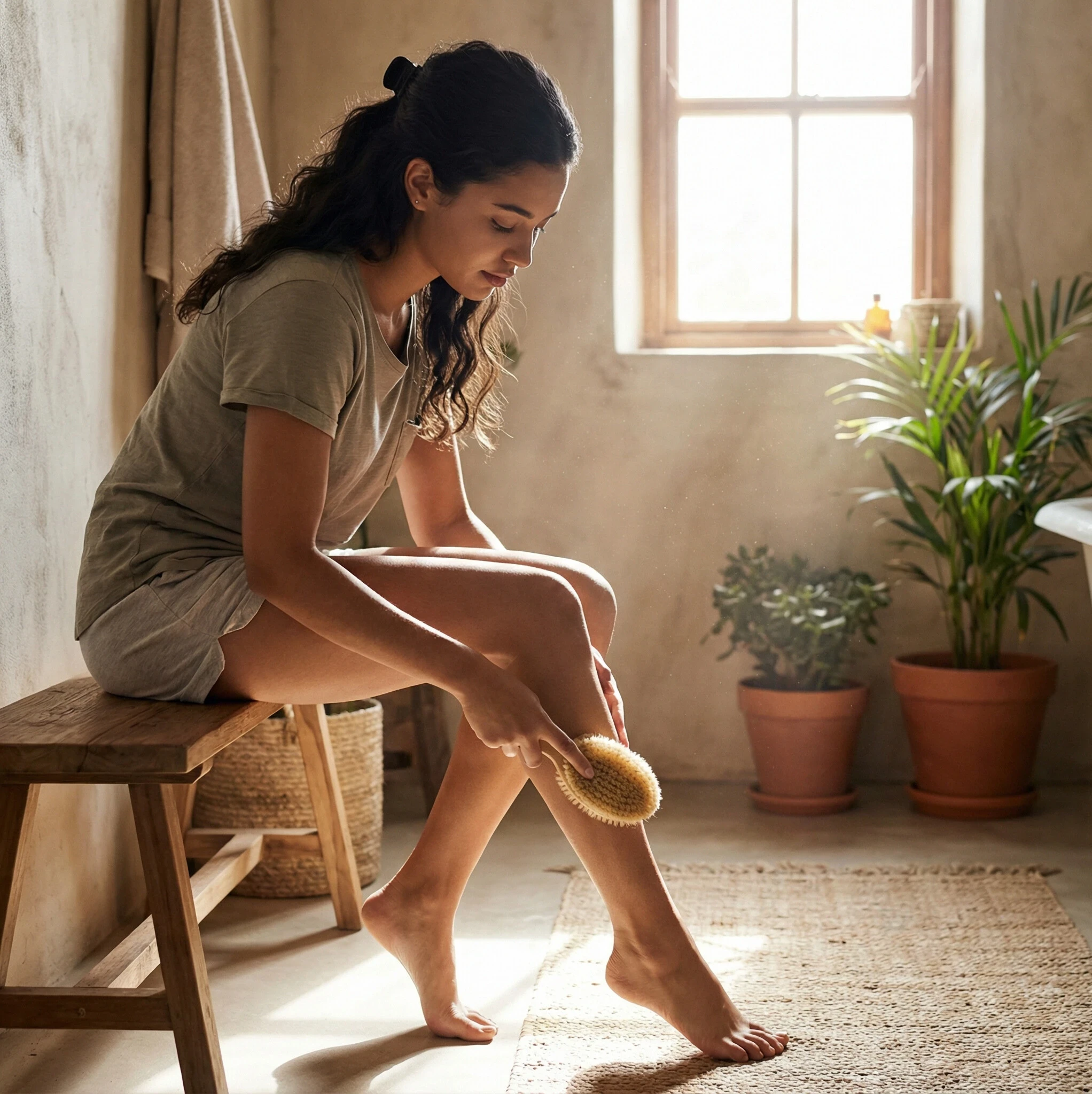
While a good diet and exercise are a solid foundation, a few skin care extras can give a boost to your results and help everything look smoother faster.
- Dry brushing: This ancient routine still works for good reason; it boosts circulation, helps move lymph, and acts as gentle exfoliation. Use before showering three times a week.
- Exfoliation: Use a simple scrub or exfoliating mitt one to two times weekly. This removes dry, dead skin, brightens texture, and slopes off that dull, tired look that highlights dimples.
- Massage (manual or with a roller): Regular, gentle massage helps fluid movement and can soften the appearance of lumpy skin over time. I use a foam roller or massage gun for legs at night.
- Body moisturizers: Go for creams with shea butter, hyaluronic acid, or caffeine. Consistent use keeps skin supple and less likely to dimple. The real benefit is in the regular application and added massage.
Important reminder: No lotion or scrub “eliminates” cellulite, no matter how fancy it sounds. Topical caffeine or retinol might temporarily smooth things, but results only last as long as you use them. That’s why building a consistent care routine, even if it’s basic, brings better long term texture. For more on skincare myths, check out my full write up on cellulite myths and what actually works.
What Actually Does Not Work (Myths to Avoid)
I’ve seen a lot of questionable trends and gadgets come and go, so I’ll save you time and money by being straight about what to skip:
- Detox teas and body wraps: These drain water and might shrink you for a day, but they don’t affect fat, collagen, or skin structure at all.
- Spot fat reduction creams: You can’t melt away fat with a lotion. Most just tingle or tighten surface skin for a few hours.
- Aggressive dieting or zero carb cleanses: Sudden weight loss breaks down muscle and makes skin sag, highlighting the texture you’re trying to avoid.
- Miracle creams from ads: Ignore sponsored posts featuring “overnight” cellulite solutions. Long term change comes from inside out, through skin health and routine.
If something seems too good to be true, it probably is. Save your energy for the habits that add up over time.
When Genetics Play a Role and What You Can Still Do
It’s totally normal to have cellulite, even if you’re fit and healthy. Some people are just wired to develop it earlier or with less fat, thanks to family history and unique skin structure. This is where early prevention is super important. The habits you start in your 20s can seriously slow down how quickly cellulite forms and keep your skin stronger longer.
Building muscle, supporting collagen (with food, supplements, and movement), and keeping stress under control won’t erase your genetics, but they give you a way better shot at smooth skin for years to come. Focus on progress and feeling strong, not achieving perfect skin. Your body is doing what it’s designed to, and you’re giving it extra tools to thrive. Plus, these habits boost your overall wellbeing, not just your skin’s appearance.
When to Consider Professional Treatments
Sometimes you’ll want an extra boost beyond everyday habits, and that’s nothing to feel weird about. If you’re looking for a proactive approach while your skin is still young and springs back easily, these treatments are worth a look:
- Radiofrequency (RF) tightening: Uses gentle heat to boost collagen production and slightly tighten the skin. It won’t work miracles, but it can help delay the deeper changes that lead to cellulite.
- Acoustic wave therapy: Uses pulses to break up stubborn fat deposits and help skin form new collagen.
- Lymphatic drainage massage: Special massages help fluids move out of tissues, making everything look a bit smoother.
- EMS (electrical muscle stimulation) training: Extra muscle activation can build tone quickly under the skin if traditional workouts aren’t your jam.
Most professionals recommend these for stubborn spots or early maintenance. Expect some improvement, not total removal. Results look best when you keep up your home habits, too. Remember, these treatments can be expensive and need to be paired with healthy habits for the best payoff.
Frequently Asked Questions About Preventing Cellulite in Your 20s
Here’s what I hear most often from people trying to prevent cellulite early:
Isn’t cellulite just about weight?
Nope! Thin people get cellulite too. It’s mostly about connective tissue and skin health, not the number on the scale.
How soon should I start cellulite prevention habits?
The earlier, the better. Changes you make in your 20s matter most for firm, smooth skin in your 30s and beyond. Start small and build up.
How can I tell what’s actually working?
Look for smoother texture and more even tone, not dramatic overnight changes. Consistent muscle work, hydration, and protein make the biggest difference over time.
What about genetics—should I even bother?
You can’t change your genes, but you can help your skin stay strong and slow down how fast things change. Every good habit you build is worth it.
Takeaway: Small Steps Matter for Prevention

Preventing cellulite in your 20s isn’t about chasing unrealistic skin goals or obsessing over every dimple. It’s about making a few healthy habits stick—hydration, strength training, balanced meals, and simple skincare. It’s way easier to keep cellulite away now than to smooth things out later, and the best news is you don’t have to be perfect or overhaul your whole life to see results.
If you want guidance on really effective moves, check out my Joey Atlas Symulast Exercise review. Need a reality check? I break down skincare gimmicks and truths in my myth busting post on cellulite myths.
Stick with your favorite daily wins, stay patient, and watch in a few months as your skin looks fresher—and you feel way more confident. You’ve got this!
Leave a Reply